

Ghana Hosts Landmark TART Workshop
Ghana has taken a major step forward in its space science journey with the successful hosting of the Transient Array Radio Telescope (TART) installation and training workshop at the Ghana Radio Astronomy Observatory (GRAO), Kuntunse, from 18–22 August 2025. The event was organised by the Ghana Space Science and Technology Institute (GSSTI), working with the Development in Africa with Radio Astronomy (DARA), South African Radio Astronomy Observatory (SARAO), the University of Otago, the New Zealand Electronic Research Foundation, and several Ghanaian universities.
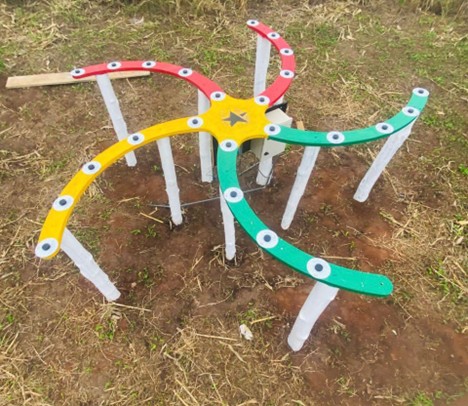
TART is a low-cost, modular radio telescope designed to make astronomy accessible for training and research. Unlike massive observatories that take years to build, TART can be assembled locally, giving students and technicians practical skills in antenna installation, data analysis, and telescope calibration. This initiative aligns with Ghana's participation in the Square Kilometer Array (SKA) project, providing an opportunity to build local expertise as well as enhance research and hands-on training on a minimal budget, compared to the conventional radio telescope. This also reinforces Ghana's commitment to working with partners to develop capabilities in radio astronomy and related technologies.
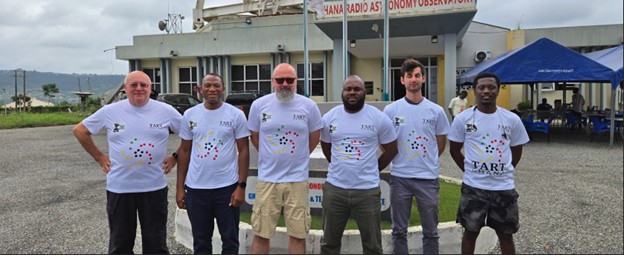
During the five-day workshop, nineteen (19) participants drawn from GSSTI, GRAO, KNUST, the University of Cape Coast, and the Development in Africa with Radio Astronomy (DARA) programme worked alongside international experts to build and operate the telescope. The training combined lectures, technical demonstrations, and hands-on activities that covered the full process from system assembly to astronomical imaging.
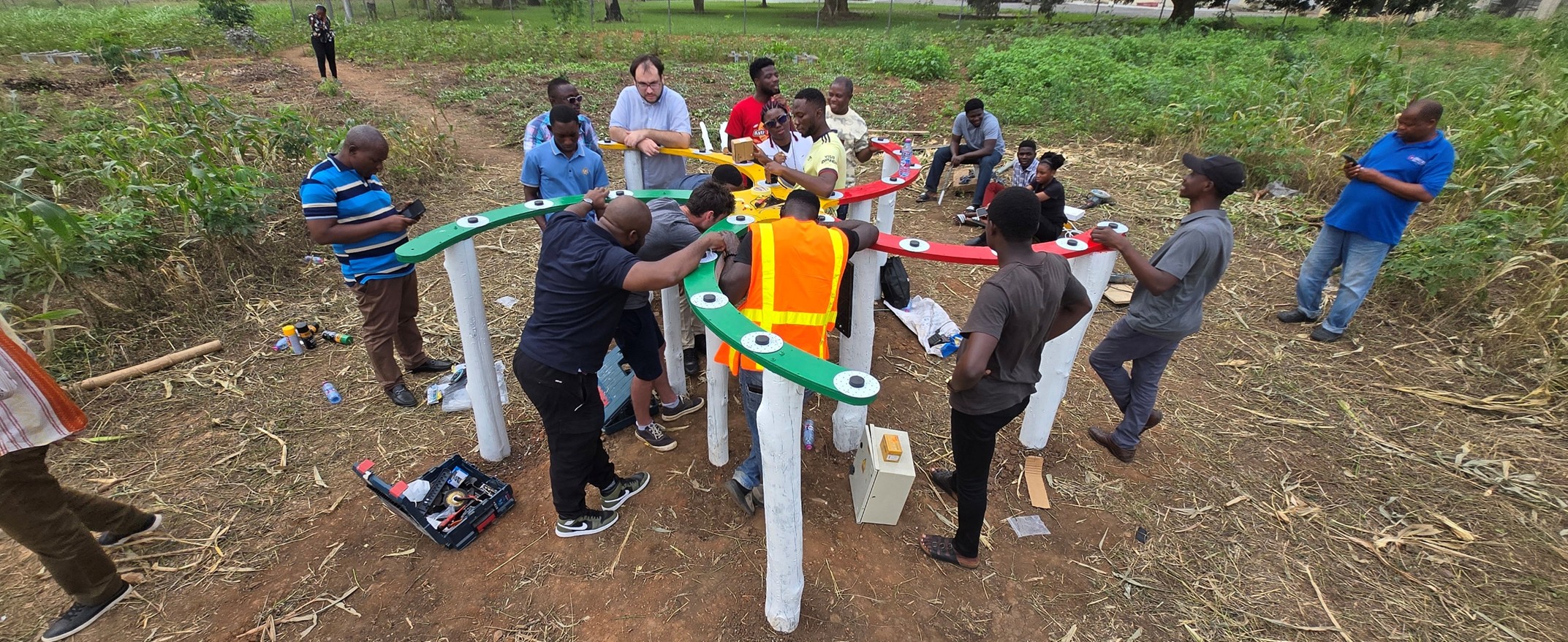
The experience offered students early exposure to cutting-edge scientific methods, including applications in machine learning and electromagnetic compatibility testing. As a country, the installation of TART adds an educational and research tool that will also serve Ghanaian schools and communities through future outreach programmes.
Looking ahead, GSSTI's transition into a national space agency signals the wider importance of such initiatives. Astronomy and space science are not only about exploring the Universe but also about building solutions for Ghana's development. From monitoring illegal mining and supporting national defence, to managing climate challenges and population growth, the skills and technologies developed through space science are already contributing to the nation's future.