Harnessing Space Science For Ghana's Socio-Economic Growth
The Ghana Space Science and Technology Institute (GSSTI), operating as a key research institute of the Ghana Atomic Energy Commission (GAEC) under the Ministry of Environment, Science, Technology and Innovation (MESTI), is tasked with researching, commercializing, and exploring space technology for national transformation.
From operating the Kutunse satellite ground station to advancing satellite communications, Earth observation, and radio astronomy, GSSTI bridges academia, international agencies, and industry.
Radio Astronomy & Astrophysics
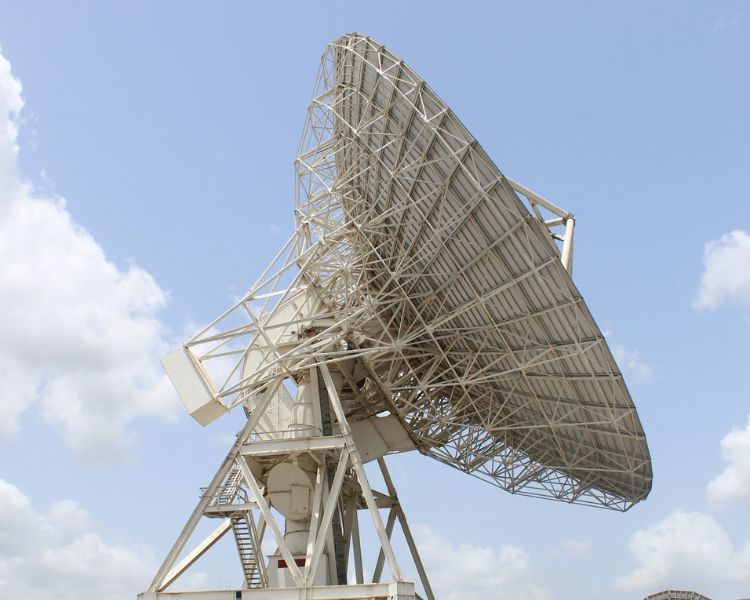
Leading the African VLBI Network (AVN) with our 32-meter antenna at Kutunse and deploying the Transient Array Radio Telescope (TART) for hands-on stellar observation.
Visit GRAO Observatory (grao.gov.gh)Remote Sensing & Climate Monitoring
Harnessing multispectral satellite data to forecast agricultural yields, monitor water bodies, track deforestation, and empower disaster management.
Satellite Communications & Engineering
Designing nanosatellites, aerospace sensor packages, telemetry links, and ground communications infrastructure tailored for West Africa.
Specialized Research Centres
Discover the dedicated research wings that power GSSTI's scientific breakthroughs and national development programs.
 RAAC
RAAC
Radio Astronomy & Astrophysics Centre
Oversees the Ghana Radio Astronomy Observatory (GRAO), conducting international VLBI observations, pulsar timing, and astrophysics research.
 RSCC
RSCC
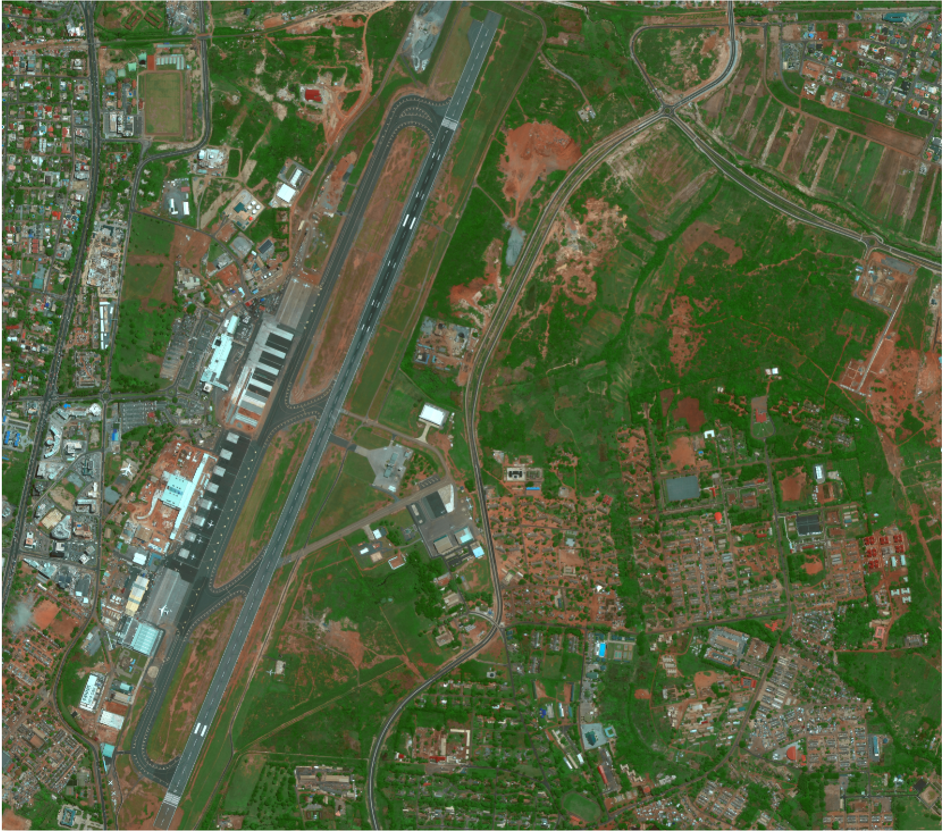
Remote Sensing & Climate Centre
Transforms satellite data into actionable intelligence for agriculture, flood management, urban planning, and environmental conservation.
 SCEC
SCEC
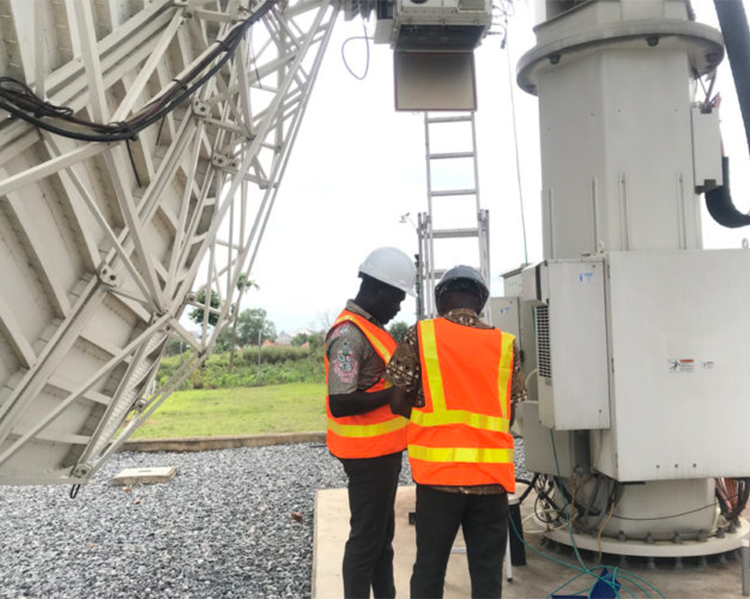
Satellite Communications & Engineering
Focuses on ground station telemetry, nanosatellite systems, signal propagation, antenna design, and space engineering innovations.
National Space Facilities & Projects
Groundbreaking scientific facilities empowering researchers across Ghana and the African continent.
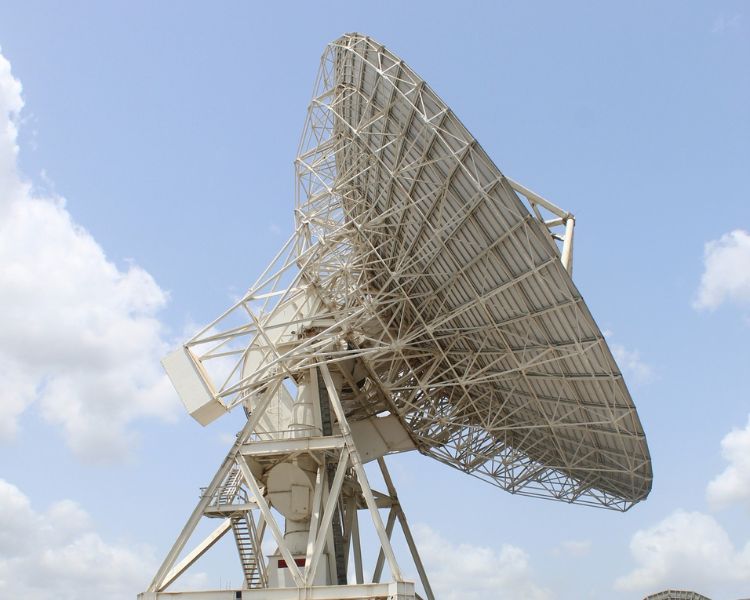
32m Kutunse Antenna Dish
Ghana Radio Astronomy Observatory • AVN Node
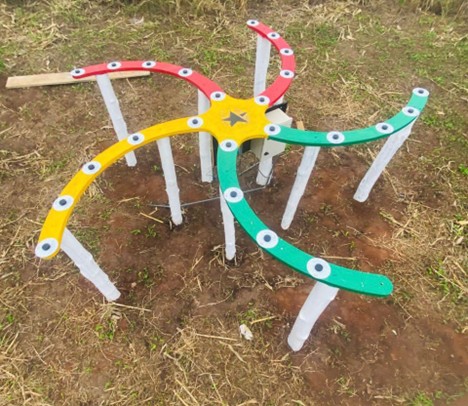
Transient Array Radio Telescope
Hands-on Radio Interferometry • Training Platform
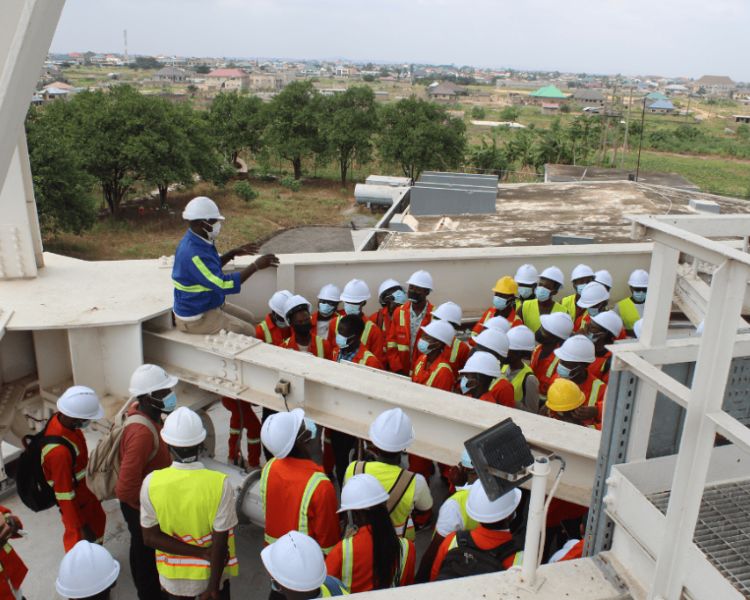
DARA Human Capacity Program
Developing Astronomy in Africa • Technical Skills
Latest News & Strategic Releases
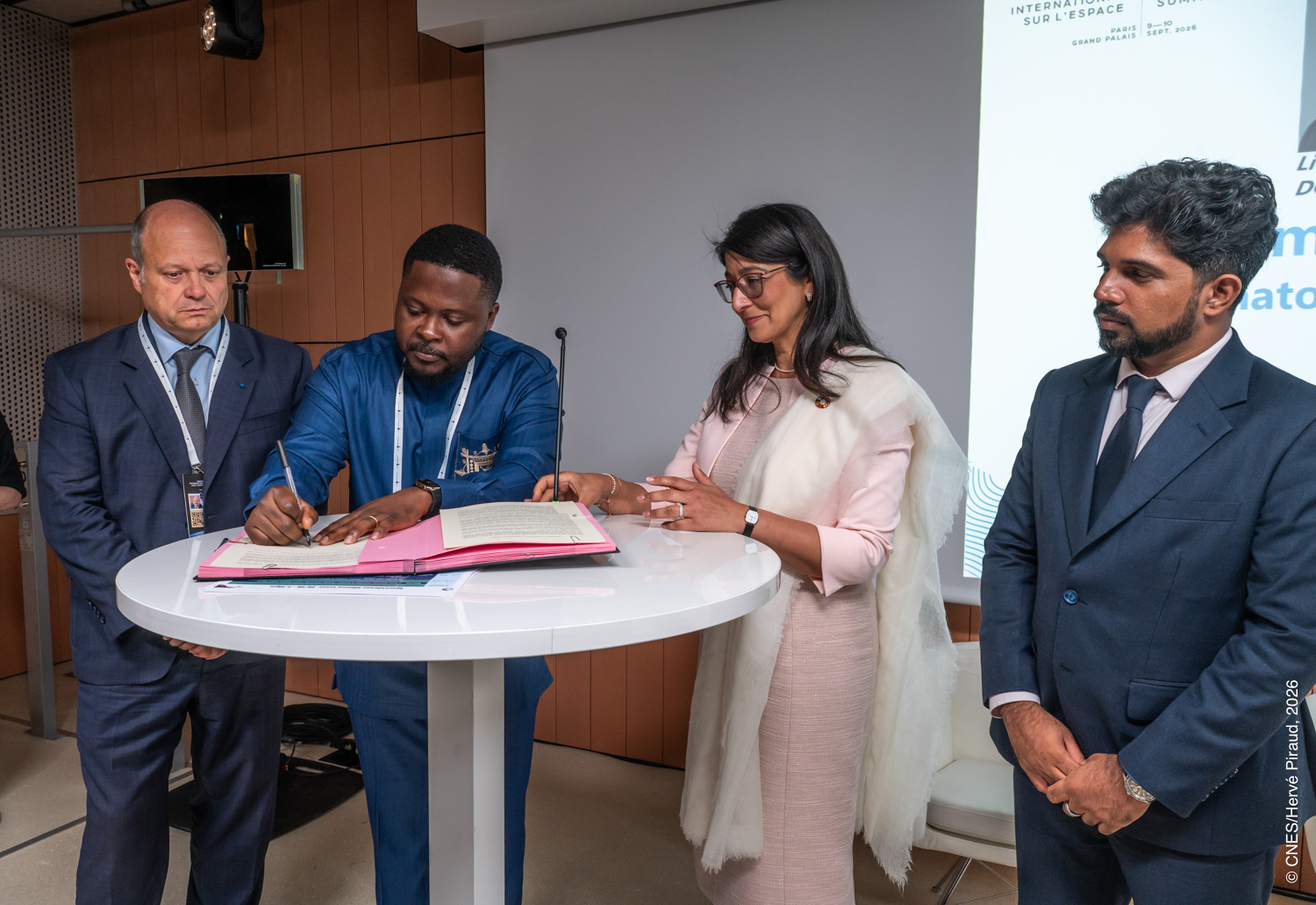
Ghana Strengthens Coastal Protection via Space4Ocean
Sponsored and facilitated by the French Embassy in Ghana, GSSTI signed the landmark Declaration in Paris alongside UNOOSA and CNES to deploy satellite Earth observation for coastal resilience.
Read Article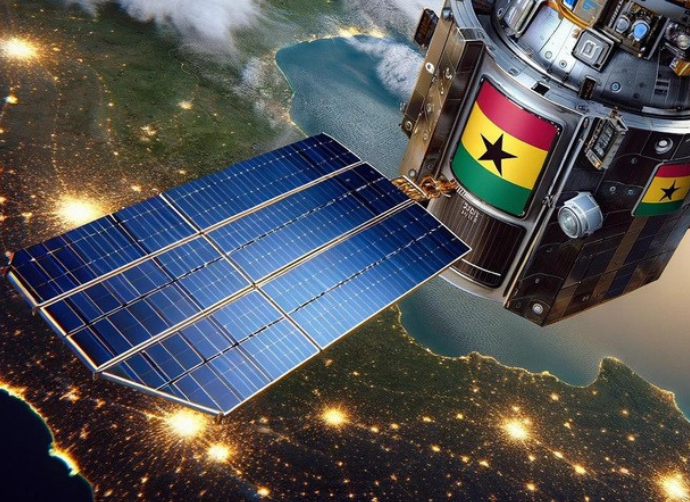
Ghana Space Policy Officially Unveiled
A transformative blueprint to harness space science, satellite communications, and Earth observation for sustainable socio-economic development.
Read Article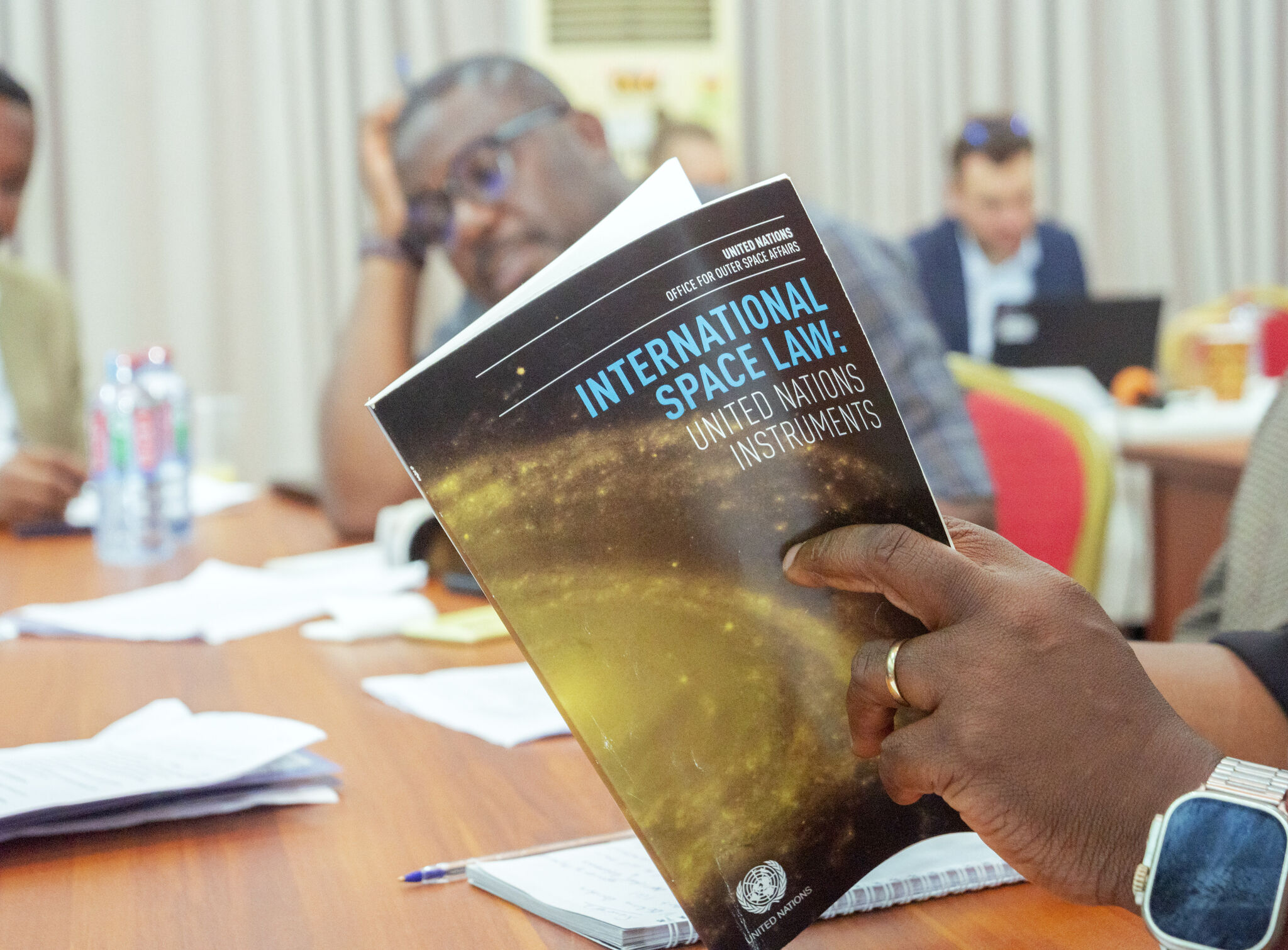
Ghana Advances National Space Law with UN Support
Partnering with the UN Office for Outer Space Affairs (UNOOSA) to establish legal governance for space technology and international compliance.
Read Article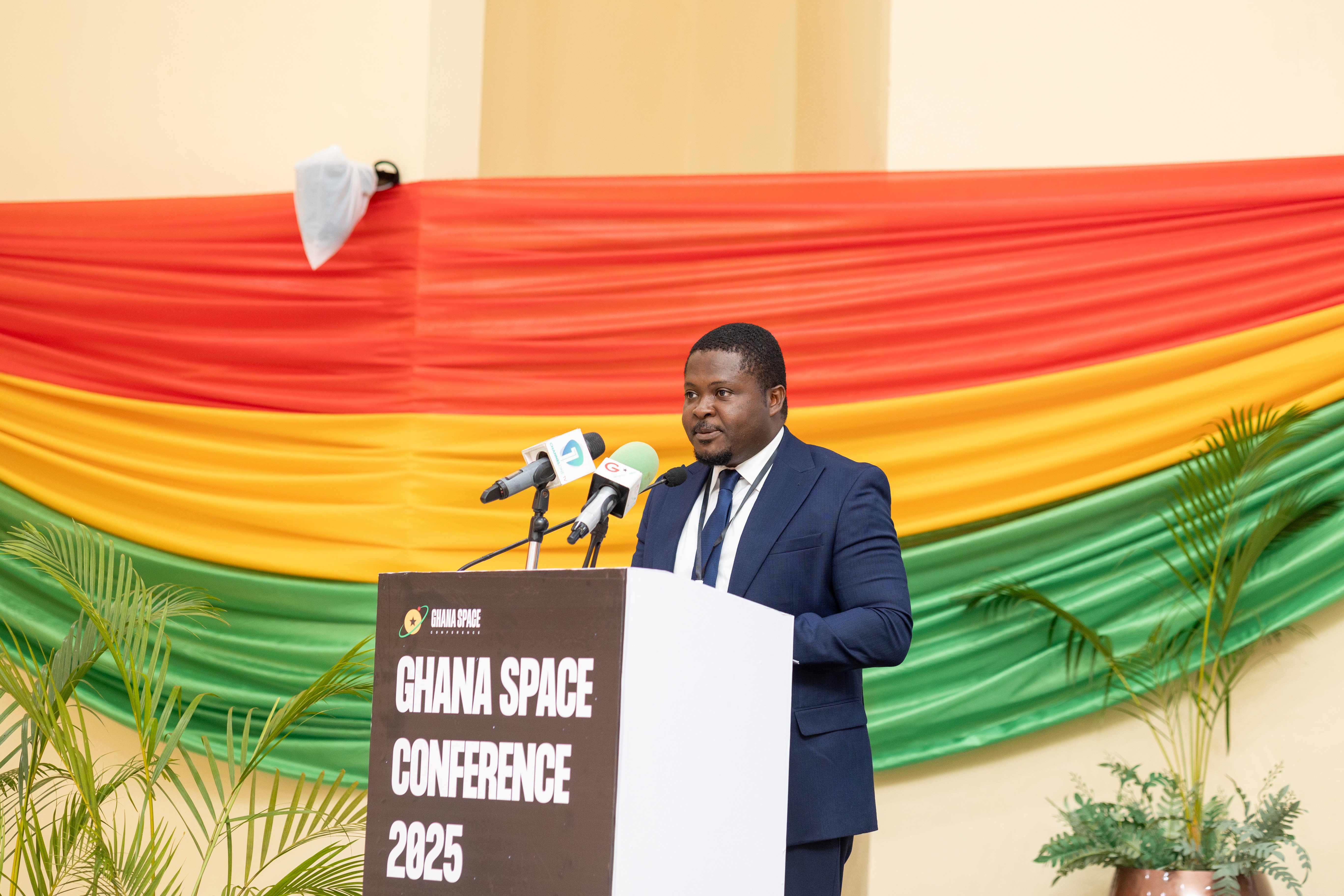
Dr. Joseph Bremang Tandoh
Director, Ghana Space Science and Technology Institute (GSSTI)
Under the auspices of the Ghana Atomic Energy Commission (GAEC), Dr. Tandoh leads GSSTI with extensive technical and managerial expertise in nuclear science applications, space technology development, and international science partnerships.
His vision propels the institute's radio astronomy observatory, climate sensing missions, and capacity building programs forward to ensure Ghana remains a key space leader across Africa.
Our Partners, Sponsors & Collaborators
Collaborating with prestigious national institutions, international space agencies, and research sponsors to advance astronomy, climate intelligence, and technological development.










Institutional Sponsors & Organizing Partners
Supervising ministries, state regulatory authorities, and continental space organizations empowering GSSTI's national space mandates and the biennial Ghana Space Conference.